And if I make it home alive...

Connect


Friday, December 13, 2013

Thursday, December 12, 2013
Birches by Robert Frost
I love Robert Frost's digressions in Birches. His mastery of poetry is evident (to me) in the way he seems to wander away from his point, then shows you that he's had a slightly different point in his crosshairs all along.
But I was going to say when Truth broke inAnd today is the kind of day to read Birches. When you're tired but going on anyway, because that's what you do, and it's good that you go on. Because this is the right place to live, although you might like to get away a while.
With all her matter-of-fact about the ice-storm
Wednesday, December 11, 2013
Tuesday, December 10, 2013
Citizen Kane

If you want a thorough analysis of Citizen Kane, go elsewhere. Here, or here, or here are good places to start. I'm not steeped enough in the history of cinema to weigh in meaningfully.
I'm really interested in the development of the character. Kane is a blank slate in many ways; in the movie's opening scenes, his mother inherits a tremendous fortune and sends him off to have the most wonderful life that money can buy. Unburdened by the demand to be profitable, Kane is able to be successful- to develop a declaration of principles and to live by them. His convictions galvanize the people around him, or at least, they understand that in the presence of the money man, they are to act galvanized. One of the most telling scenes is the party to celebrate the success of Kane's newspaper, when Kane's friends wonder to each other how long it will be until the real world begins to corrupt their young leader.
I'm also interested in the framing tale. The reporter's search for the meaning to "Rosebud" gives the movie its forward momentum; it justifies the act of telling. The reporter's failure is a classic nod- Mighty Casey strikes out, Frodo can't bring himself to throw the Ring into the volcano after all, Oedipus is as Oedipus does.
I especially enjoyed how many shots from the opening scene were echoed in later shots, especially the long rise up to the top of the gate/ house echoed in the even longer rise up from the Opera House stage to the crew mocking the show from the rafters. It's a common device in comics, and it made the three hour movie feel connected throughout its acts.
Saturday, December 7, 2013
Word of the Week
trag·ic
ˈtrajik/
adjective
- 1.causing or characterized by extreme distress or sorrow."the shooting was a tragic accident"
synonyms: disastrous, calamitous, catastrophic, cataclysmic, devastating,terrible, dreadful, awful, appalling, dismal, horrendous; More - 2.of or relating to tragedy in a literary work.

Friday, December 6, 2013
Happy First Friday
I'm headed to Board Game Night at the local library. Because no one is cooler than I am.
Thursday, December 5, 2013
Review: Within a Budding Grove
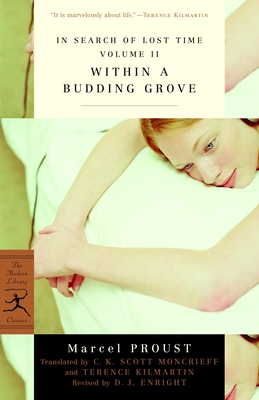
The Victorians move their books slowly, and I dislike them for that. Dickens in particular is a long jangle of plot twists that never seem to go anywhere, but Austen and the Brontes, too, move at a snail's pace. There are twenty thousand words for every action.
Proust moves even more slowly, but I enjoy it more. It's not the slowness of action and inaction filling the page, it's that he fills every page with thoughts. What is the narrator thinking, what does he think the person he's talking to is thinking, what is that person actually thinking, and then finally, what do they say to each other?
It's an extraordinary novel, but at times it feels like an exercise. In the same way that Joyce challenges his readers to keep up with him (spattering his pages with references to Greek mythology and the Latin mass), Proust seems to challenge the reader to follow him down the rabbit hole into his own head. His passages on memory and longing for the possible strike me the most.
I'm thankful I have an edition with key plot points summarized, because otherwise I might have become hopelessly lost in the unclear passage of time.
Subscribe to:
Posts (Atom)